
Foundation repair in Corona CA - a house that holds still and doors that close right
Cracks in the walls, a lifting slab or a door that sticks? We find out why the house is moving, then fix that.
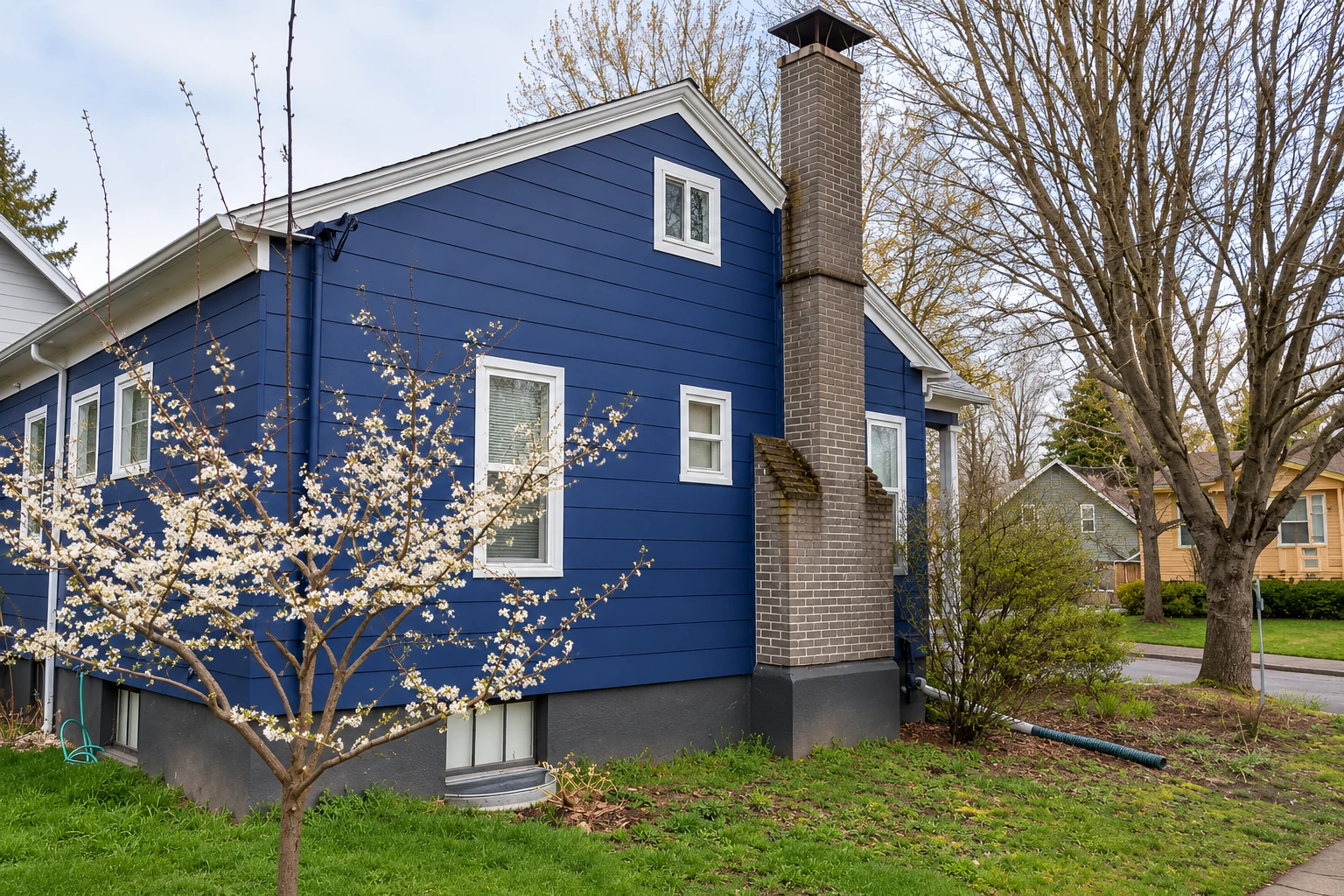
- Licensed and fully insured.
- Free estimates at your property.
- Expect a reply within 1 business day.
What does foundation repair on a Corona house involve?
Foundation repair in Corona starts with finding out why your house is moving. Then we steady the foundation, close up the cracks it left and keep water away from the walls, and we finish by checking that your doors and windows work the way they should.
Most people call me after a crack they've been watching gets longer, or after a door that used to close fine starts to stick, and they want to know how bad it is. The price mostly turns on how much of the foundation needs support and how much ground we have to open to reach it. The schedule turns on what we find once we dig and on the city's permit and inspection days. I walk the job with you and put in writing what the work includes, so you see your own figure before anything starts. We're based in Corona and work across the cities around it.
How do you know your foundation is moving?
A slab that cracks or lifts
You might see a crack running across the garage floor, tile popping loose or a spot in the floor that feels higher than it used to. It usually means the ground under the slab is pushing up or dropping away, and if it's left alone the crack tends to widen and let more water down into the soil that started it.
Cracks across your walls
Cracks in drywall, stucco or brick, often running out from the corners of doors and windows, show that the wall is being pulled as the foundation shifts under it. Patching them hides the sign but not the movement, so they usually come back, and the longer the house keeps moving, the more there is to fix.
Walls separating at a corner
A gap opening where two walls meet, inside or out, means one part of the house is moving differently from the rest. That one is worth a look sooner rather than later, because a corner pulling apart can let in water and pests.
Doors and windows that stick
A door that rubs at the top or won't latch, or a window that suddenly fights you, often means its frame has been pushed out of square. Planing the door fixes the rub for a while, but if the foundation is the cause, the problem will come back.
How we handle foundation repair
I start by working out why the house is moving, because a fix that doesn't deal with the cause only buys you a season or two. That means reading the cracks and the floors, then walking the outside to see where rain runs off, where the sprinklers hit and where water sits against the wall. When the house needs support, one pier maker's installation guide lays the job out a certain way, and when we use their piers we follow their steps. We dig down to the footing, the wide concrete base the walls sit on, and set helical piers along the foundation wall. Those are steel shafts with screw plates that turn down into the ground. Then we repair the cracks and waterproof the wall before the ground goes back. At the end we share the level readings with you and check that your doors and windows open the way they should.
A house that has moved usually leaves marks in the brick too. Mortar joints that cracked or crumbled while things shifted are a job for tuckpointing, where we rake out the old mortar and pack in new once the foundation is steady. I won't know how deep that damage goes until the old mortar comes out. A chimney that's leaning, cracked or pulling away from the house gets its own look under chimney repair.
Helical pier support
This suits a house where part of the foundation has dropped or keeps moving, because the piers give the wall something to bear on below the soil that's shifting. I'll only suggest it once I know why the house moved.
Crack repair and waterproofing
This suits walls that cracked while the house moved and have since gone steady. Closing the cracks and sealing the outside of the wall keeps rain and sprinkler water from working back in against the foundation.
Drain tile and backfill
This suits a job where we've dug along the wall and found old drain tile, the buried pipe that carries water away from the footing. The pier maker's guide has it checked and replaced where it's damaged, then backfilled with clean rock topped with topsoil so you can plant again.
Get a written foundation repair estimate, done at your house
We reply within one business day, by phone or by message, whichever way you reached us. I come out, look at the house with you and give you a free written estimate, and you're under no obligation to go ahead.
(951) 393-1203Foundation repair in Corona and the permit it needs
The City of Corona requires a valid building permit before any work starts to repair or alter a building, and foundation repair is repair to your house, so plan on one. We pull the permit and set up the inspections. If something about your job leaves us unsure what applies, we ask the city before we start. That's also why we don't put a shovel in the ground the day after the estimate.
The thing we see most on jobs around here is water ending up in the wrong place, like downspouts that empty right at the wall or planter beds watered up against the foundation. We point those out and talk through changes with you, the same as we do on jobs in Norco and Riverside.
What happens after you call about your foundation?
Call or send us a message
Tell us what you're seeing, and send photos of the cracks if you have them. We get back to you the same way you reached us and set a time for me to come out.
Walk the house with me
I look at the cracks, the floors and the water around the house with you and explain what I think is moving it. You get a written estimate that lists what the work includes, where we'd dig and what we won't know until the ground is open.
We handle permits and work
If you go ahead, we pull the permit and our crew does the work. The city schedules inspections Monday through Thursday, and a Friday inspection is only for unusual situations and has to be requested by phone by Wednesday at 5 p.m., so we plan the dig and backfill around those days.
Walk the finished job together
When the work is done and the ground is put back, we clean up and walk the finished job with you before we pack up. That's your time to ask about anything you see.
Frequently asked questions
How do I know if my foundation needs a closer look?
An engineering overview says a slab that lifts or cracks, cracked or separated walls, or walls pulling apart at a corner should get someone looking at whether the soil under the house is swelling and pushing up. Those signs are a reason to find the cause before anyone picks a repair, which is why I start every foundation visit there. Photos of what you're seeing help when you call.
Do I need a building permit for foundation repair in Corona?
Yes, the city requires a permit before repair work on a house begins, as the permit section above explains, and we pull it for you. You can follow the permit's records and status on the city's eTRAKiT portal, which anyone can look up.
Who is licensed to do foundation repair on a house in California?
A contractor licensed by the Contractors State License Board, because California law counts repairing or altering a home as home improvement work. You can also ask that your contract list any subcontractors, with each one's name, contact information, license number and classification, and the main contractor stays responsible for the whole project.
How much of my yard will the crew dig up for foundation repair?
You'll see either a trench along the full length of the wall, dug down to the footing, or a separate hole at each pier, which are the two layouts the pier maker's guide gives. A trench opens a long strip beside the house, while separate holes leave the ground between the piers alone, and I'll show you on the estimate which one your job calls for. Before any digging, the guide has 811 called so buried utility lines get marked with paint or flags.
How much does foundation repair cost in Corona?
I can't give you an honest number until I've seen the house, because the price comes down to what's moving it and how much of the foundation needs support. The main things that raise or lower it are how many piers the wall needs, how far down the footing sits, whether we trench the whole wall or dig at each pier, how much crack repair and waterproofing there is, and whether drain tile has to be replaced. Your written estimate spells all of that out.
What causes a house foundation to move?
One common cause is the soil under the house shrinking and swelling as its moisture changes, which is what clay soil does. Clay only moves when its water content changes, so clay that stays dry won't expand, and the trouble shows up where wet and dry seasons trade off. Once a house sits on clay, rain, landscape watering and runoff that collects in one spot can make it swell a lot, so we'll ask about your watering and where water goes when it rains.
Corona, CA
Book a foundation inspection in Corona
Take a few photos of the cracks, a lifting slab or a corner pulling apart before you call, so we can talk about what you're seeing before I come out.